
Travel Planning: The Complete Guide to Planning Your Own Trip

Travel planning is one of the most important parts of any journey. Good travel planning can
take away much of the stress of arriving in an unfamiliar destination, help you avoid finding
yourself stranded without accommodation, and ensure you don’t miss out on that incredible
experience you’ve been dreaming about for years.
But there is no single way to plan a trip.
Some travelers prefer having everything organized in advance, while others enjoy the
freedom of independent travel. Some rely on travel planning apps and online booking
platforms, while others prefer working directly with local guides or creating completely
personalized itineraries.
The best approach depends on your travel style, your destination, your budget, and how much
time you want to dedicate to organizing your trip.
In this travel planning guide, I’ll explore the different ways to plan a trip, from organized
holidays and online travel agencies to independent travel, self-guided experiences, and
bespoke tours.
I’ll also share something I believe is often overlooked in travel planning: how our booking
decisions can affect the local communities we visit.
My Personal Approach to Travel Planning
Some people rely on organized travel packages that cover everything from flights and accommodation to meals, transportation, and activities.
I understand why this can be a relaxing way to visit a destination. Everything is arranged, and you don’t have to worry about the logistics.
However, this has never been my preferred way of traveling.
I’ve only booked an organized holiday package once in my life.
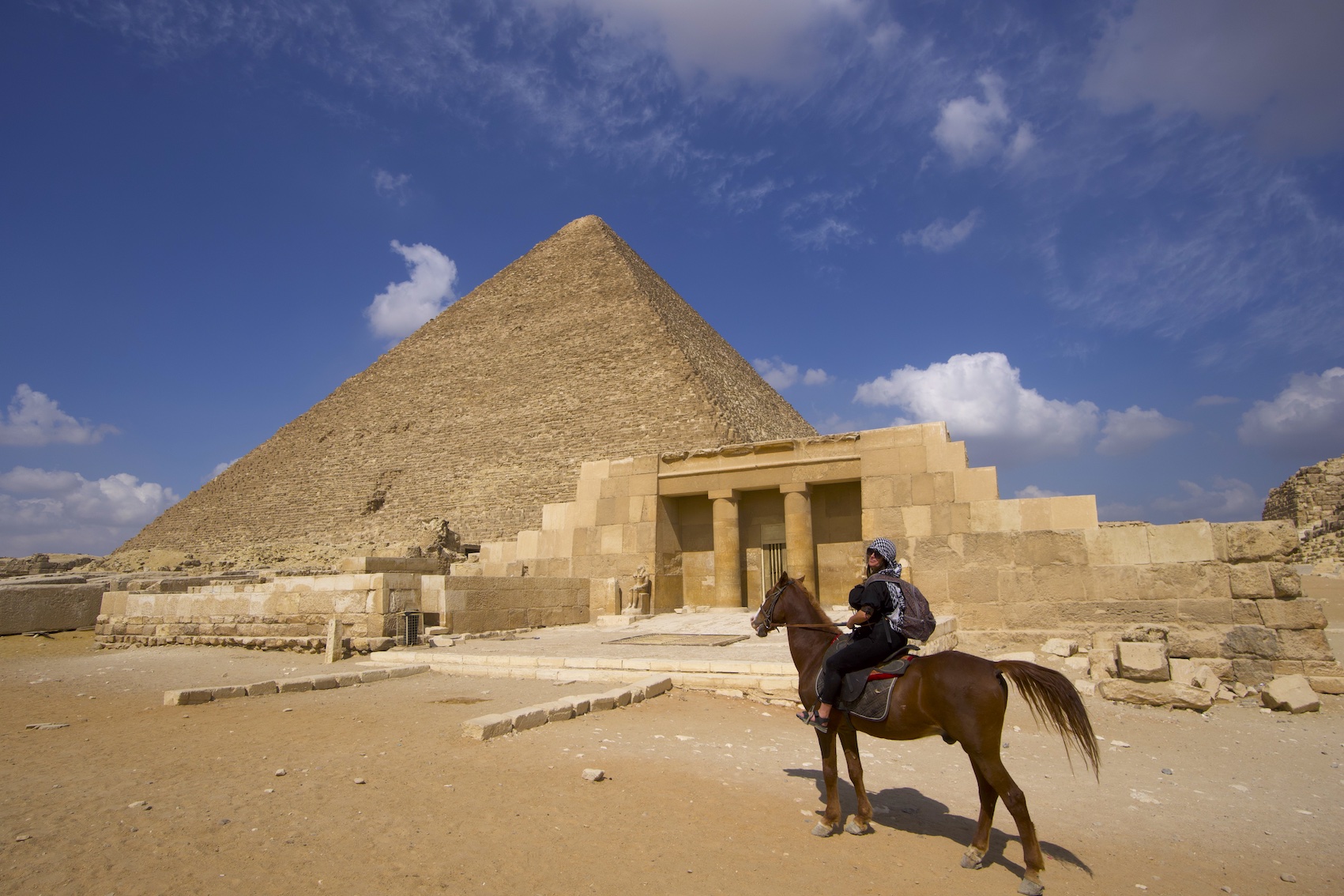
It was for my first trip to Egypt. Although I was already an experienced traveler, I was apprehensive about traveling independently in Egypt and decided to book a package holiday.
I quickly realized it wasn’t for me!
The package included full board at my hotel in Hurghada, but I barely used it. I was spending my days scuba diving, meeting people on the boat, and organizing dinners and other activities with them outside the hotel.
Since then, I’ve returned to Egypt several times and have found it a wonderful destination to explore independently.
Why I Enjoy Planning My Own Trips
Most of the travel experiences you’ll find on this blog are journeys I’ve planned and organized entirely myself.
From researching destinations and arranging transportation to choosing accommodation and discovering interesting places to visit, I genuinely enjoy the entire travel planning process.
I’m a detail-oriented person, and for me, planning a trip is part of the excitement of traveling.
Sometimes, the anticipation of visiting a place, researching its history, discovering unusual attractions, and figuring out how to get there is almost as enjoyable as the trip itself.
Of course, I also believe in leaving room for spontaneity. Some of my best travel experiences have happened precisely because I didn’t plan every detail.
My Experience in the Travel Industry
Although I rarely take guided city tours myself, I’ve spent several years managing my own tourism business in Amsterdam, organizing experiences and working as a professional guide.
Many of the experiences offered by my business are booked through major online travel agencies (OTAs), including GetYourGuide and Viator.
This means my experience with these platforms comes primarily from the supplier’s perspective rather than as a customer.
I understand the advantages they offer travelers and the opportunities they create for small tourism businesses, but I also understand their limitations.
As a travel blogger, I’ve gained another perspective on how people research destinations and organize their journeys.
I know the tourism industry from three different angles: as an independent traveler, a tour operator, and a travel blogger.
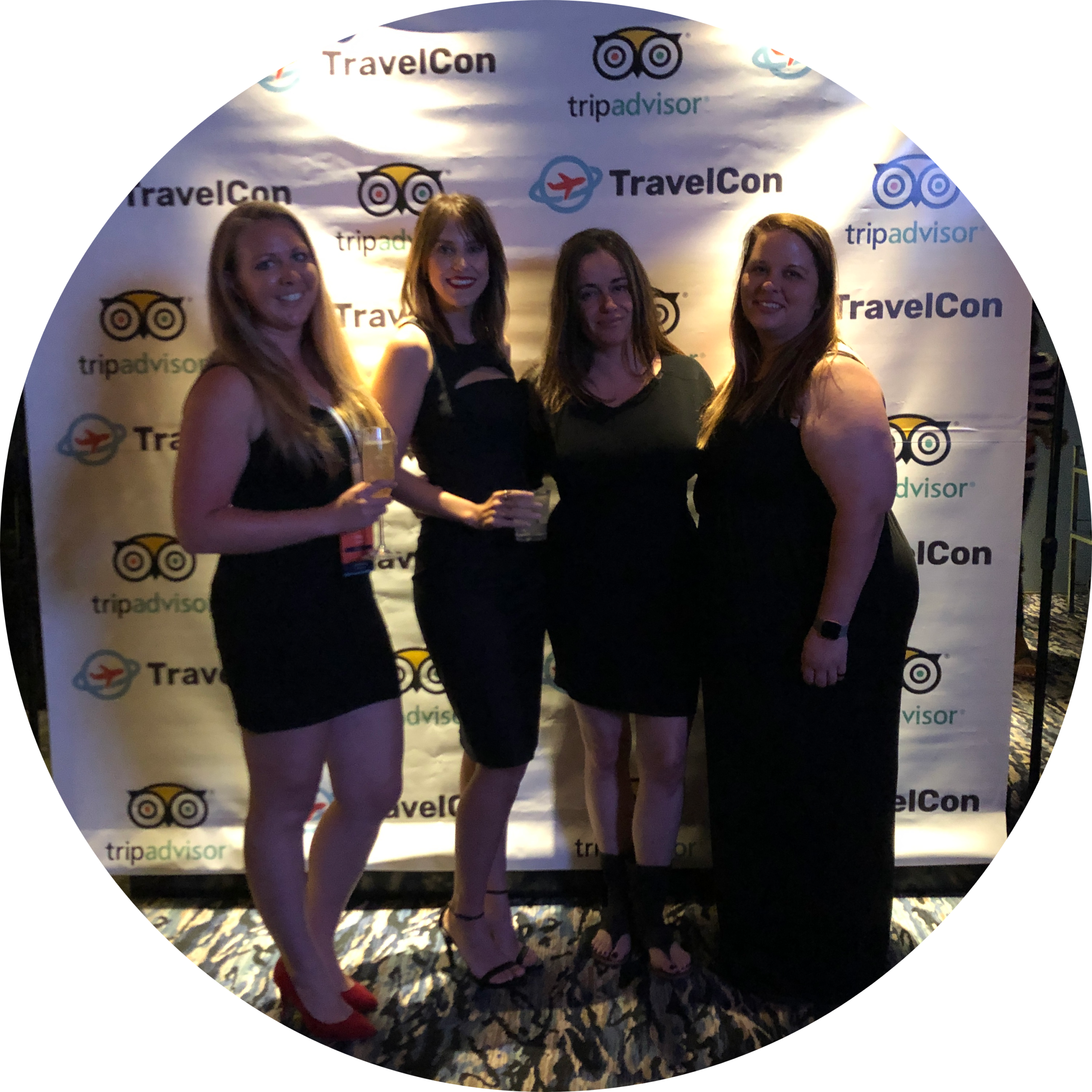
These experiences have taught me that there are many different ways to travel, and that every destination and every traveler is different.
That’s why I believe good travel planning should consider two things: the type of travel experience you’re looking for and the destination you’re visiting.
Different Ways to Plan a Trip
There is no single right way to travel. Some people love the freedom of planning every detail themselves, while others prefer the convenience of organised holidays or the personal touch of a local guide.
Whether you’re an independent explorer or looking for a more structured experience, discover the different ways to plan your next adventure.
Independent Travel Planning
Love the freedom of exploring on your own terms? Planning your own trip gives you complete control over your destinations, accommodation, transport and activities. Travel at your own pace, change your plans whenever you like and create a journey that reflects your interests.

Organised Travel Packages
Prefer to have everything arranged for you? Organised travel packages combine accommodation, transport and sometimes activities into one convenient booking. They’re a practical option for travellers who want to spend less time organising and more time enjoying their holiday.
Self-Guided Tours and Experiences
Discover destinations independently without missing their fascinating stories. Self-guided tours combine the flexibility of travelling at your own pace with carefully designed routes, local insights and audio guides.
Guided Tours and Group Experiences
Explore a destination with knowledgeable local guides who bring its history, culture and hidden corners to life. From walking tours to cultural excursions and day trips, guided experiences offer opportunities to discover places from a different perspective.
Private Tours and Bespoke Travel
Looking for something more personal? Private tours and bespoke travel experiences allow you to explore destinations according to your interests, preferences and schedule. Whether you’re passionate about history, culture, photography or discovering places beyond the usual tourist trails, personalised experiences offer a different way to travel.
Online Travel Agencies (OTAs)
Online travel agencies are platforms that allow travelers to research, compare, and book travel services.
They include accommodation platforms such as Booking.com and Expedia, as well as tour and activity marketplaces such as GetYourGuide and Viator.
These platforms can make travel planning considerably easier by bringing together different options in one place.
However, they also charge suppliers commissions, which affect how much local businesses earn from each booking.
I work with major OTAs through my own tourism business, so I understand both their advantages and limitations.
My philosophy is simple: use booking platforms when they add value, but don’t overlook the opportunity to support local tourism businesses directly.
“In fragile destinations and rural communities—such as Lushoto in Tanzania’s Usambara Mountains, the desert oases around Zagora in Morocco, or the Mekong riverfront of Kratie in Cambodia, among others—tourism is a vital lifeline for local guides, family-run guesthouses, and community initiatives.
In these regions, I strongly encourage travelers to seek out and book directly with reputable local guides, regional tourism offices, or community-based projects. Booking directly ensures that 100% of your money remains within the local economy—directly supporting local families, trail preservation, and wildlife conservation rather than being absorbed by international booking platforms.
Travel Planning Tools and Resources
Over the years, I’ve developed my own approach to travel planning, from finding affordable flights and booking accommodation to organizing transportation, choosing activities, and staying connected abroad.
Here are some of the tools and resources I recommend considering when planning your own trip.
Finding and Booking Accommodation
When booking accommodation, I usually compare prices, locations, reviews, and cancellation conditions before making a reservation. I also check whether booking directly with the accommodation provider offers better conditions.
- Booking.com — Hotels, apartments, and guesthouses worldwide.
- Agoda — Particularly useful for finding accommodation in Asia.
- Expedia / Hotels.com — Hotels, holiday packages, and accommodation deals.
- Hostelworld — Hostels and budget accommodation.
- Vrbo — Holiday homes and vacation rentals.
Finding and Booking Flights
When planning a trip, I like to compare different airlines, travel dates, and airports before deciding which flight to book.
- Google Flights — Comparing flight prices, airlines, and alternative travel dates.
- Skyscanner — Finding flights with flexible dates and exploring destinations using its Everywhere search.
- Airline websites — Checking direct booking prices, baggage allowances, and ticket conditions.
Booking Trains, Buses, and Other Transportation
I enjoy traveling independently, and getting from one destination to another is often part of the adventure.
Depending on the country, I compare trains, buses, ferries, and domestic flights before deciding how to travel.
- Omio — Comparing trains, buses, and flights, particularly in Europe.
- 12Go — Booking trains, buses, ferries, and transfers in many Asian destinations.
- Rail Europe — European train tickets and rail passes.
- DiscoverCars — Comparing car rental options worldwide.
Airport Transfers
I usually research airport transportation before arriving at a new destination.
Sometimes public transportation is the easiest and most affordable option. Other times, particularly when arriving late at night or traveling with luggage, a pre-booked transfer can make the journey considerably easier.
I compare public transportation, taxis, and private transfers before deciding.
Travel Insurance
Travel insurance is an important part of planning an international trip.
Medical emergencies, cancellations, and unexpected travel disruptions can be expensive, so I always recommend checking your insurance coverage before departure.
When comparing policies, I look at medical expenses, emergency assistance, cancellation conditions, luggage coverage, and exclusions for specific activities.
Booking Tours and Activities
Although I generally prefer exploring destinations independently, some attractions and experiences are worth booking in advance.
Online travel agencies can make it easier to discover activities, compare prices, and check availability.
- Viator — Guided tours, day trips, attractions, and private experiences worldwide.
- GetYourGuide — Guided tours, cultural experiences, and tickets to popular attractions.
- Klook — Tours, attractions, and transportation, particularly in Asia.
- WeGoTrip — Self-guided audio tours for travelers who prefer exploring independently.
Staying Connected Abroad: eSIMs
Having internet access while traveling makes independent travel much easier, particularly when navigating unfamiliar destinations, checking transportation schedules, or accessing reservations.
An eSIM can be a convenient alternative to purchasing a local SIM card or paying international roaming charges.
I recommend comparing eSIM providers, local mobile plans, and roaming options before departure to find the best solution for your destination.
Travel Planning Apps
Travel planning apps can help you organize your itinerary, navigate unfamiliar places, and keep track of your reservations.
Some useful tools include:
- Google Maps — Navigation, saving places, and planning routes.
- Rome2Rio — Researching transportation options between destinations.
- Google Translate — Translating text and communicating abroad.
- TripIt — Organizing reservations and travel itineraries.
I prefer combining different tools depending on the destination rather than relying on a single app for everything.
Travel Planning and Local Communities
Travel planning isn’t only about finding affordable flights, choosing accommodation, or deciding which attractions to visit. It’s also worth considering how our travel decisions affect the destinations and communities we visit.
Having traveled independently through many countries and worked in the tourism industry for several years, I’ve come to believe that tourism should benefit not only travelers but also the people who welcome them.
Supporting Local Guides and Tourism Businesses
In rural, off the beaten path and fragile economy destinations such as Lushoto in Tanzania’s Usambara Mountains, tourism can provide valuable income for local guides, family-run guesthouses, and small businesses.
Whenever possible, I encourage travelers to book directly with reputable local operators such as TanzanianWanderlust. This allows them to retain more of their earnings and can help keep a greater share of tourism revenue within the local economy.
Bespoke Travel and Community-Based Experiences
One of the most interesting developments in travel is the growing opportunity to create personalized experiences with local people.
Bespoke travel allows travelers to organize experiences around their interests while working directly with local guides and businesses.
Whether it’s hiking with a local guide in Kenya, exploring traditional villages, or discovering a destination’s history with someone who lives there, these experiences can create more meaningful connections between travelers and communities.
When thoughtfully organized, community-based tourism can also support local livelihoods and help communities preserve their cultural and natural heritage.
Developing RoamWorldTours in This Direction
This is also the direction in which I’m developing RoamWorldTours, my own tourism business.
Beyond offering guided experiences and bespoke tours in Amsterdam, my ambition is to connect travelers with reputable local operators and create more personalized, bespoke travel experiences.
I believe travel should be about more than visiting famous attractions. It should offer opportunities to discover places through the people who know them best.
For me, responsible travel planning means creating memorable experiences while ensuring that local communities have the opportunity to benefit from tourism.
Final Thoughts: Finding Your Own Way to Travel
There is no perfect formula for travel planning.
Some people enjoy having every detail organized before departure, while others prefer the freedom of making decisions along the way.
I personally love independent travel and organizing my own journeys, but I recognize that different destinations and circumstances call for different approaches.
Whether you prefer organized holidays, self-guided tours, private experiences, or planning everything yourself, the important thing is finding a way to travel that suits you.
And whenever possible, I encourage you to think not only about the experiences you want to have, but also about the people and communities who make those experiences possible.