Koh Phi Phi Diving: A Fairy-Tale Underwater Destination
Koh Phi Phi is one of the top scuba diving destinations in Thailand, known for its colorful reefs and soft coral, sharks, and relatively easy dive conditions. I first learned to dive here back in 2008, and after recently returning as a certified scuba instructor, I was reminded why this island still feels so special underwater.
In this guide, I share everything you need to plan your dives here— the best sites, conditions, prices, seasons, access, and underwater videos I recorded myself to show you exactly what to expect.
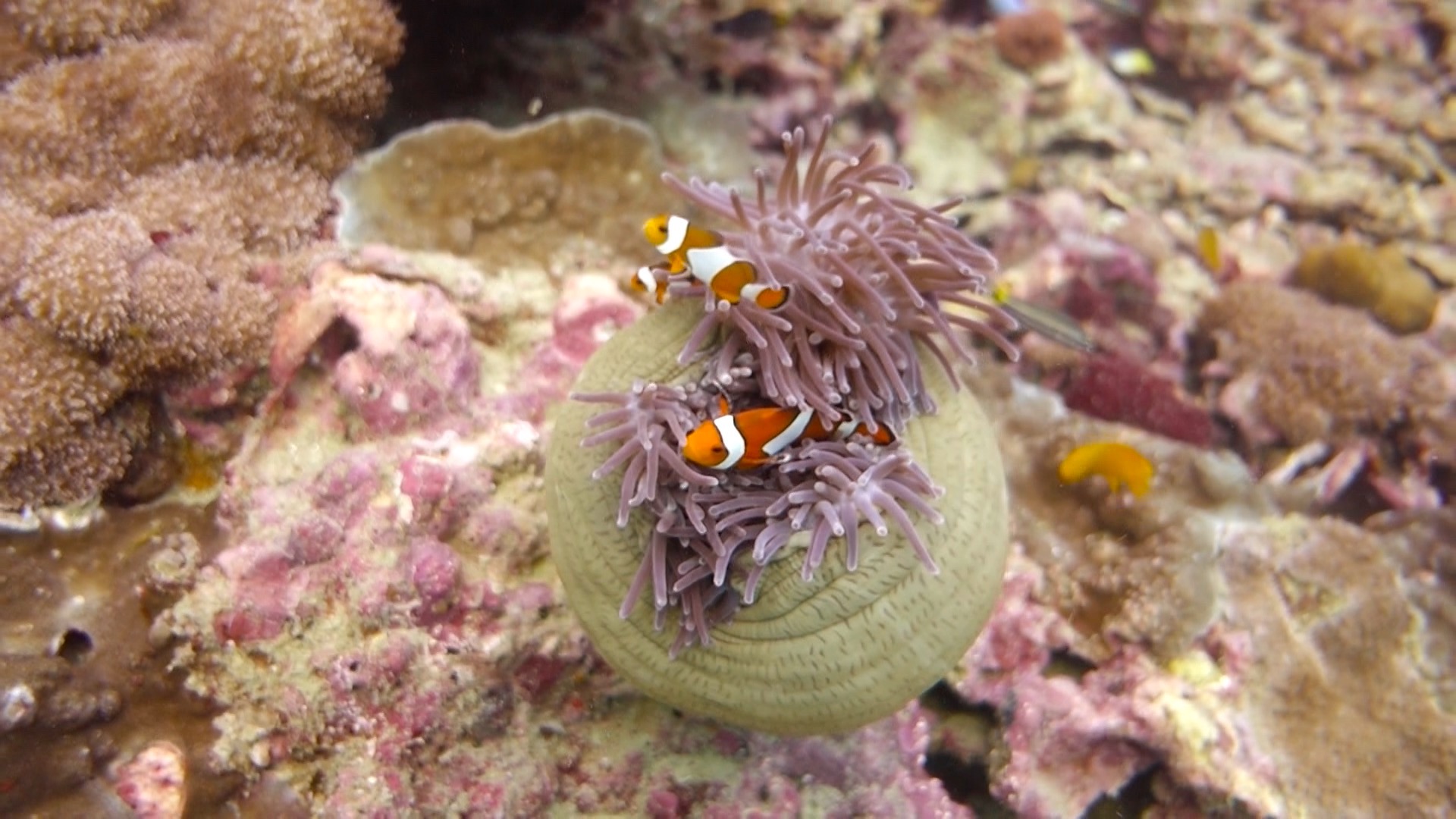
Scuba Diving Koh Phi Phi Video
Check out this video with some underwater of my diving in some of Koh Phi Phi’s best dive sites.
What Makes Diving in Koh Phi Phi So Special?
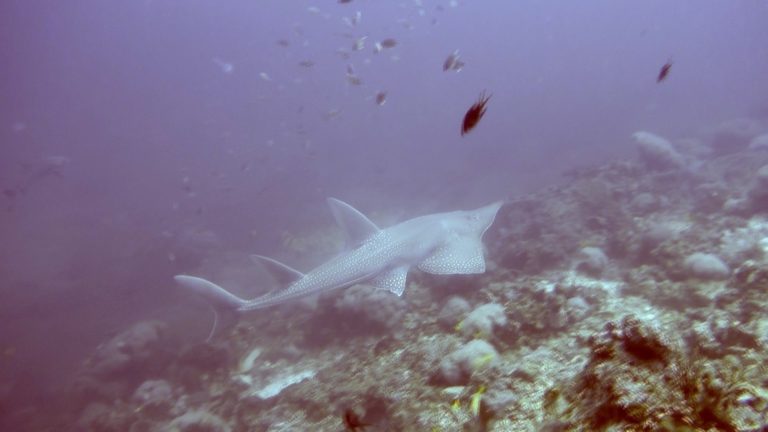
Koh Phi Phi is world famous — not only for its nightlife but also because “The Beach” movie, with Leonardo DiCaprio was filmed here, which helped turn the island into one of Thailand’s most iconic island destinations. But what many visitors don’t realize is that Phi Phi’s true charm lies underwater, where a fairy tale like paradise awaits. The reefs around the islands are easy to access, beginner-friendly, and brimming with marine life. You can expect to see turtles, blacktip reef sharks, leopard sharks, vibrant soft corals, and huge schools of tropical fish. And every diver hopes for that epic moment when a whale shark appears out of the blue — a rare but unforgettable encounter in these waters.
What makes Phi Phi so special is the contrast: yes, the island can be lively and loud at night, but underwater you’ll find calm, clear visibility and some of the most beautiful and colorful coral gardens in the Andaman Sea. This mix of accessibility, marine diversity, and stunning scenery is the reason so many divers fall in love with Phi Phi.
If you would like to check how Koh Phi Phil underwater looks like, make sure to watch the video included in this guide — it captures exactly why diving in Koh Phi Phi is such an unforgettable experience.

My Experience Scuba Diving Koh Phi Phi
Koh Phi Phi was my first traveling experience outside of Europe and I had no idea that this tiny island would be the start of a love affair with the ocean. I had bought my ticket to Bangkok on a whim .Once I landed there I was not sure what to do so I went to the domestic airport desk and bought a ticket straight to Krabi, the closest airpot to Koh Phi Phi.
I thought I was going for the beaches and the nigthlife as my friends had recommended the island for these two reasons — but what stayed with me forever was something else entirely: my first scuba diving experience.
I signed up for my Open Water Diver course at the dive school inside the resort were I was staying. I spent a few days in the classroom and the swimming pool completing theory and confined water sessions. Despite these achievement the night before my first open water dive. Every possible worst case scenario ran through my mind. But something inside me kept saying, “You’ll be fine — just go.”
And I’m so glad I did.

The moment I descended into the water at Bida Nok, one of the most beautiful dive sites in Koh Phi Phi, everything changed. My fear vanished instantly as the reef came alive beneath me — schools of fish swirling around the corals, the sunlight filtering through crystal-clear water, and that overwhelming feeling that I had just stepped into another world. My buddy and I were so captivated that our instructor actually had to remind us to watch our depth because we kept drifting down toward whatever caught our eyes.
That single dive hooked me for life. It sparked a passion so strong that I eventually became an Open Water Scuba Diving Instructor in Bali in 2011.
Years later, I returned to Koh Phi Phi and completed 22 more dives around the islands. And just like the first time, the underwater world blew me away — turtles gliding over hard coral, blacktip reef sharks cruising by, and that same sense of wonder that made me fall in love with diving in the first place.
Koh Phi Phi is more than a famous island or a filming location — it’s the place where I discovered my love for the ocean. And if you dive here, I’m sure you’ll understand exactly why.
The Best Dive Sites in Koh Phi Phi
Koh Bida Nok
My very first underwater breath happened here, and that’s why Koh Bida Nok still feels like a magical fairy-tale dive site to me. I remember kneeling on the sandy bottom, trying to control my buoyancy while practicing my mask-clearing skill, completely focused on not floating away or kicking up sand.Right after I cleared my mask, a couple of cleaner wrasses got close and started gently nibbling at a small scar on my leg — their way of “cleaning” me, like I was just another fish passing through their station, an underwater spa. I smiled into my regulator, and in that moment I felt completely welcomed into the underwater world.
Behind them, the reef looked like it had been decorated for a festival — bright purple soft corals and deep red sea fans swaying with the surge, creating the kind of scenery that makes you forget you’re a beginner and just stare in awe.
Even though I didn’t spot one that day, local dive masters love to whisper the same sentence before every descent:“Keep your eyes open… sometimes a whale shark passes by.” I never was lucky to scuba dive with a Whale Shark here but I saw them several times in Sail Rock.
Dive site specifications:
- Depth: 0–30m
- Experience Level: Beginner to Advanced
- Visibility: 10–25m
- Current: Mild to medium
- Marine Life: Soft corals, sponges, triggerfish, stonefish, fusiliers, trumpetfish, big snapper, reef sharks, turtles, barracuda schools, and occasional whale sharks.
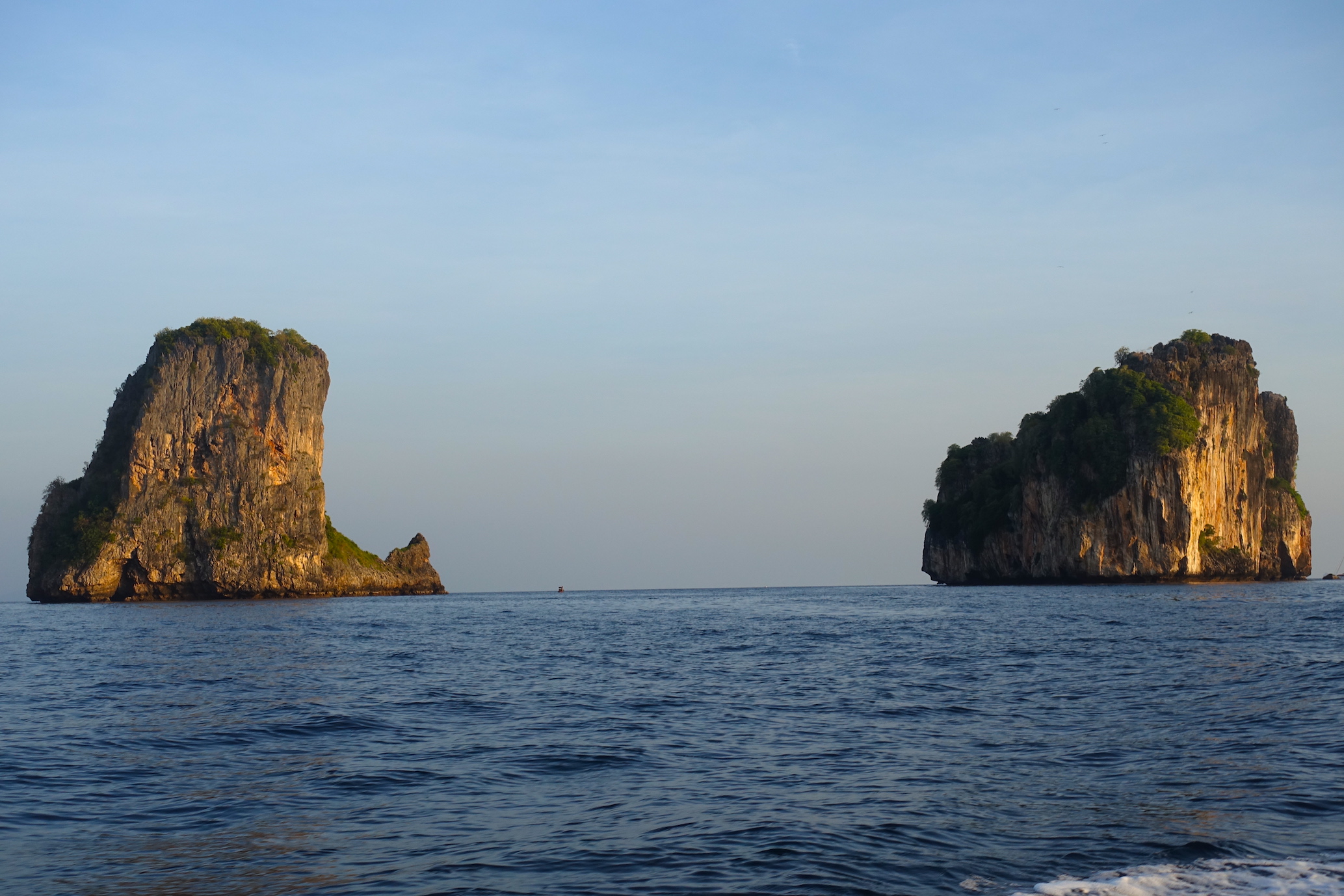
Viking Cave
Viking Cave (Tham Phaya Nak for local people), is famous for some ancient boat paintings on its limestone walls. These drawings were likely made by sailors who once took shelter inside during storms. Most visitors only see the cave from a longtail boat, but the real highlight for divers is found just a few hundred meters north of it.
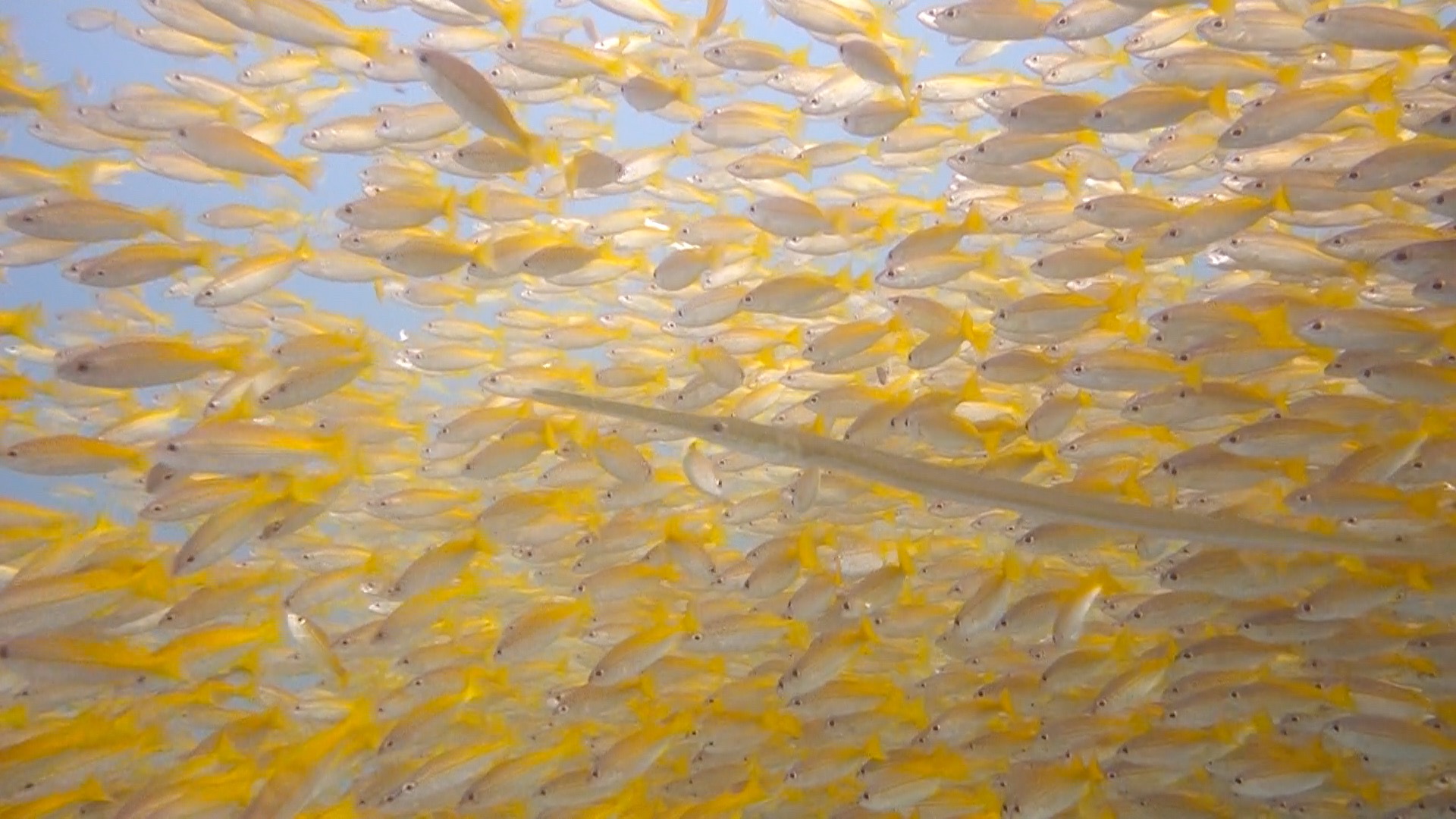
After the tsunami, the Phuket Marine Conservation Department installed an artificial reef here to help restore marine life. Today it’s a lively and beginner-friendly dive site where you can spot batfish, leopard sharks, baby blacktip reef sharks, moray eels, barracuda, angelfish, parrotfish, and schools of fusiliers drifting around the structures.
Dive Site Specifications:
- Depth: 0–25m
- Experience Level: Beginner
- Visibility: 10–25m
- Current: Mild to medium
- Marine Life: Barracuda, batfish, moray eels, turtles, blacktip reef sharks, colorful soft coral.
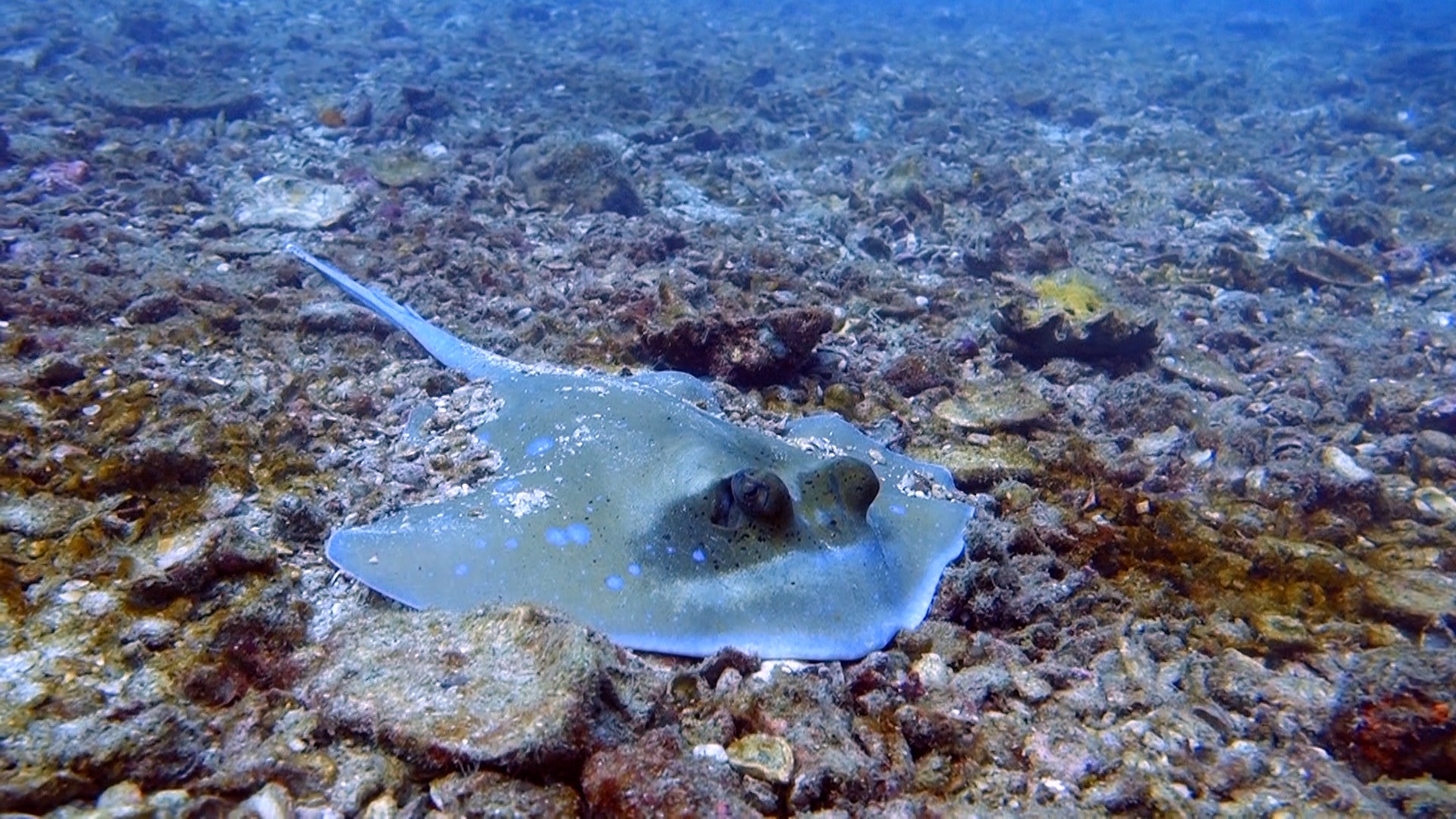
Pileh Wall
Tucked just south of Pileh Lagoon, this site always feels calm — like the entire world slows down underwater. The wall itself is gentle and shallow, making it one of my favorite places for relaxed sunset dives. When the late-day light filters through the water, the soft corals glow in pastel colors, and schools of fish move like a single silver ribbon.
It’s the kind of dive where you forget to check your computer because everything feels effortless.
Dive Site Specifications:
- Depth: 0–20m
- Experience Level: Beginner
- Visibility: 5–20m
- Current: None to moderate
- Marine Life: Soft coral, sea fans, moray eels, shrimps, small reef fish.
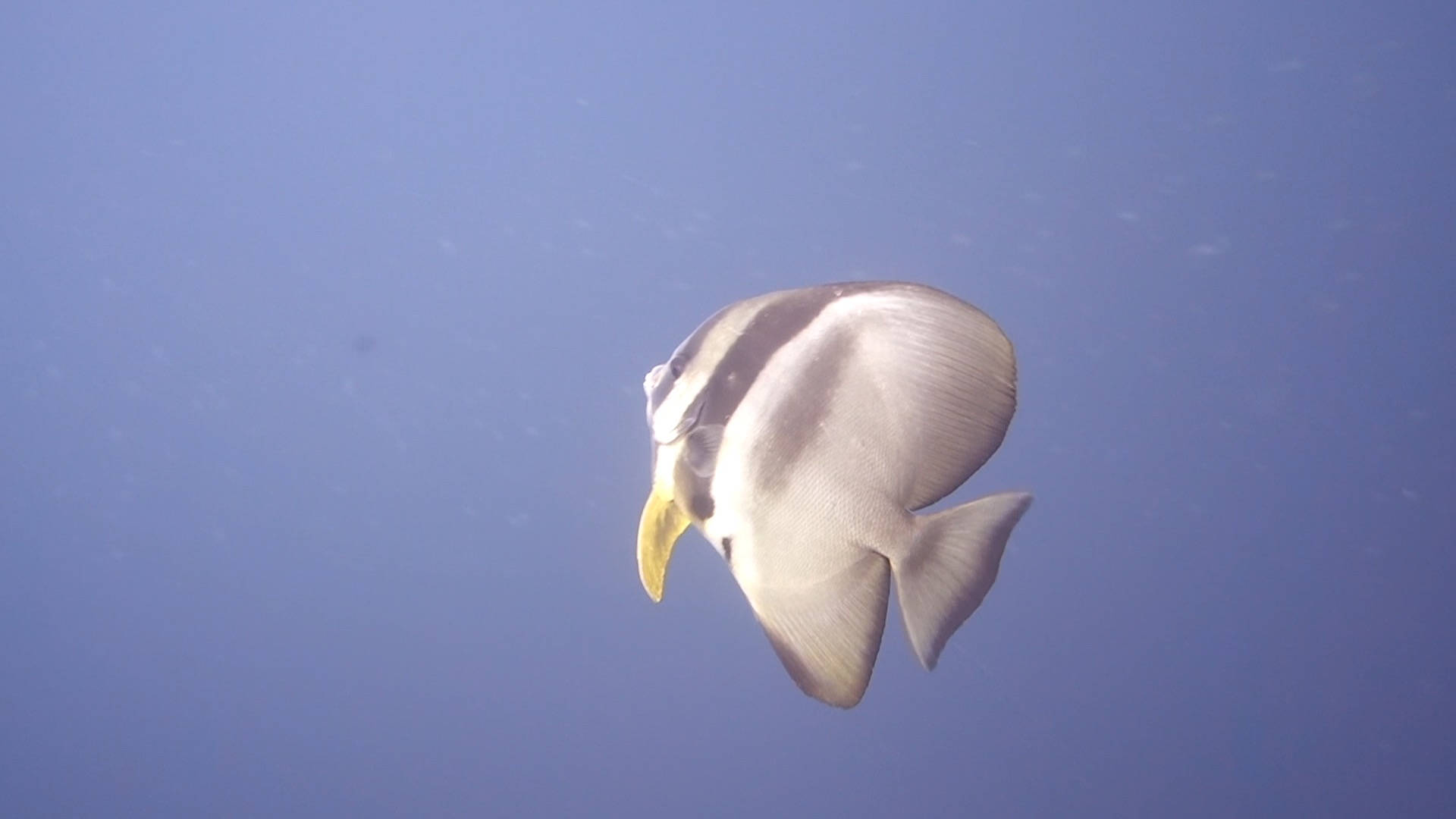
Wreck Kled Gaeow
The Kled Gaeow wreck has a completely different energy — darker, bigger and mysterious. After serving almost 60 years in the Royal Thai Navy, the wreckwas intentionally sunk in 2014 to create a new artificial reef.
Descending onto the wreck feels like going back in history while getting greeted by a myriad of marine life. The ship stands upright and surprisingly intact, and as you approach, schools of fish swirl around you so densely that you almost disappear inside the cloud. Lionfish hover near the railings, morays peek from pipes, and sometimes you can hear the crackling of crustaceans hidden deep inside the metal.
It’s an impressive dive and a favorite for advanced divers.
Dive Site Specifications:
- Depth: 16–28m
- Experience Level: Advanced
- Visibility: 10–25m
- Current: Moderate to strong
- Marine Life: Snapper, barracuda, lionfish, moray eels, crabs, macro life inside the structure.
Anemona Reef
Anemone reef is a favorite dive spot for those who love underwater colors. The dive feels like entering a carpet of soft coral and waving anemones, a living, breathing garden. A garden where clownfish is constantly popping in and out of their homes and you might be lucky get dive close to some ancient turtles.
It’s one of those sites that’s popular for a reason… and that reason is simple: it’s stunning.
Dive Site Specifications:
- Depth: 6–28m
- Experience Level: Beginner
- Visibility: 5–15m
- Current: Slow to strong
- Marine Life: Clownfish, anemones, colorful soft coral, seahorses, turtles, trumpetfish, reef fish.
Best Time To Go Scuba Diving in Koh Phi Phi
The best time to dive in Koh Phi Phi is from November to April, when the sea is calm, visibility is clearer, and conditions are ideal for all experience levels.
November–February (Peak Season)
- Best visibility
- Calm seas
- Great for beginners and photographers
March–April
- Warmer water
- Still excellent diving before the monsoon
Diving is possible year-round, but from May–October the sea can be rougher and visibility more unpredictable.
Seasonal & Bleaching-Related Closures
Koh Phi Phi belongs to the Hat Noppharat Thara–Mu Ko Phi Phi National Park, and several dive sites occasionally close to protect the reefs.
Annual Park Closure
Every year, certain zones of the national park close to visitors between 1 June and 31 July for reef recovery. Some dive sites inside the park—like Bida Nok, Bida Nai, Palong Wall, and areas around Viking Cave—may be affected.
Bleaching Closures
In recent years, temporary closures have also happened due to coral bleaching, with the goal of reducing stress on affected reefs. These closures vary each year and can be announced with little notice.
Before planning your dives, always check with a local dive shop, as they receive the most up-to-date information on which sites are open and which are temporarily restricted.
Responsible Diving in Koh Phi Phi: Protecting the Reefs We Love

Responsible Diving: Quick Guidelines
Protecting the ocean starts with every diver:
• Stay neutrally buoyant to avoid touching corals or the seabed.
• Look, don’t touch marine life is fragile.
• Choose responsible dive operators who follow local rules and respect wildlife.
• Use reef-safe sunscreen or wear UV clothing.
• Pick up small debris when safe to help keep the ocean clean.
• Follow local regulations and closures to support reef recovery.
Koh Phi Phi’s underwater world is breathtaking, but it’s also incredibly fragile. After several bleaching events and years of heavy tourism, the reefs need divers who care. Every small action underwater matters — and together we can help the corals recover so future divers can experience the same magic.
Dive Without Touching Anything
Corals are living, delicate animals. Even a gentle fin kick or accidental touuch can injure them — especially when they’re already stressed from warmer water. The best way to admire them is hands-off, completely.
Master Your Buoyancy Before the Dive
Good buoyancy is one of the most powerful ways to protect the reef. If you’re rusty, ask your instructor for a quick refresher. Staying neutrally buoyant means no fins hitting coral and no sand being kicked up over the reef.
Choose Eco-Mindful Dive Shops
Support operators who:
- follow national park rules
- avoid overcrowding
- never touch or chase wildlife
- participate in reef monitoring or cleanups
Your choice of dive center has a real impact.
Use Reef-Safe Sunscreen (or Wear a Rash Guard)
Many sunscreens contain chemicals that can harm coral. Opt for mineral reef-safe options — or even better, protect your skin with long sleeves and reduce sunscreen use altogether.
Pick Up Small Trash When Safe
A drifting plastic bag or fishing line can be devastating to marine life. If it’s safe to grab and won’t disturb the environment, take it with you.
Respect Seasonal and Bleaching-Related Closures
Some Phi Phi dive sites — especially those inside Mu Ko Phi Phi National Park — close every year to give the corals time to rest. Others close temporarily during bleaching events. These closures are essential for reef recovery, so always check with a local dive school before planning your dives.
My favorite dive center in Koh Phi Phi
If you’re staying around Tonsai, you’ll find plenty of dive shops, but Blue View Divers consistently stands out for their professionalism, reef-friendly practices, and warm, community-style vibe. It’s the center I always recommend to anyone planning scuba diving in Koh Phi Phi.
If there’s one dive center on Koh Phi Phi that truly feels like “home underwater” to me, it’s Blue View Divers. This is where I completed my Open Water Course and where a patient, supportive team helped me take my first real steps into the world of breathing underwater.
What makes Blue View Divers special isn’t just their strong safety standards or their small-group diving — it’s the atmosphere. The instructors create a calm, friendly, eco-focused environment that makes you feel cared for, seen, and genuinely supported. Diving with them feels less like joining a tour and more like becoming part of a small ocean-loving community.
How much does scuba diving in Koh Phi Phi costs?
The good news: prices for fun dives on Phi Phi are standardized, so you won’t need to shop around much.
Current price for 2 fun dives:
👉 2,800 THB – 3,000 THB (equipment, tanks, weights, guide & lunch included)
This range reflects Blue View Divers’ updated 2024/2025 rates.
National Park Fees:
All divers entering Mu Koh Phi Phi National Park must pay the marine park fee in cash:
- 600 THB on the first day
- 200 THB per additional consecutive day
Your park permit is valid for 3 days.
So for a typical day of diving, expect around:
➡ 3,400–3,600 THB total (dives + park fee)Note: Prices can change due to fuel costs or park regulations, so it’s always best to check with the dive center directly before booking
Where is Koh Phi Phi located?
The Phi Phi islands are an island group in Thailand located between the larger island Phuket and the Straits of Malacca.
Find here a pin with Phi Phi islands location:
How to get to Koh Phi Phi
The only way to reach Koh Phi Phi is by boat, as the island has no airport. Ferries and speedboats run daily from the main hubs in the Andaman Sea:
- Phuket → Koh Phi Phi: approx. 48 km
- Krabi → Koh Phi Phi: approx. 42 km
- Koh Lanta → Koh Phi Phi: approx. 35 km
You’ll also find connections from other nearby islands and coastal towns, making Phi Phi an easy addition to any Thailand island-hopping itinerary.
Travel Tip:
Koh Phi Phi is one of the most popular islands in Thailand, and accommodation fills up very quickly — especially during high season. Make sure to book your stay in advance, or you might end up without a room (yes, people really have had to sleep on the beach).
Where to Stay – Koh Phi Phi: Budget / Mid-Range / Luxury Picks
Budget (Affordable & Backpacker-Friendly)
- Blanco Beach Bar & Bungalows — A beachfront hostel / bungalow setup with a fun, social vibe. Good for solo travellers or budget-conscious divers who don’t mind basic comfort but want easy pier access and community atmosphere.
- Dee Dee Sea Front — Simple rooms right by the water, clean and no-frills. A good choice if you’re here mostly for diving and just need a quiet bed after a long day.
- P.P. Charlie Beach Resort (budget bungalows + dorm) — Behind Tonsai / Loh Dalum, often among the more affordable “resort-style” stays on Phi Phi. A good hybrid of budget and basic comfort for travellers on a tight budget.
Mid-Range (Comfort + Convenience + Good Value)
- Phi Phi CoCo Beach Resort — Beachfront bungalows with good comfort, a pool, and easy access to both beach and pier. Balanced for divers who want a bit of comfort without resort prices.
- P2 Wood Loft — Stylish mid-range guesthouse near Tonsai pier — convenient for diving, eating and nightlife, yet still calm enough to rest well after dives. Good for couples or friends.
- Phi Phi Hotel — Good value-for-money rooms, comfortable amenities, and close to pier/center — a practical choice if you want comfort, convenience, and moderate price.
Luxury (Resort-Style, Privacy, High Comfort)
- Phi Phi The Beach Resort (Long Beach) — Modern villas or beachfront rooms, tranquil surroundings, good snorkeling access — perfect if you want to combine diving with relaxing beach holiday.
- SAii Phi Phi Island Village (Laem Tong / remote beach area) — High-end resort amenities, resort dive center options, good peace and comfort for those who want to unwind after a dive day.
What Else To Do in Koh Phi Phi?
Even if you’re visiting mainly for scuba diving, Koh Phi Phi offers plenty to enjoy on land and at the surface. One of the most popular activities is visiting Maya Bay, the filming location of The Beach, where the turquoise water and limestone cliffs are just as stunning above the surface as underwater. You can also hike to the Koh Phi Phi Viewpoint for one of the most iconic panoramic views in Thailand — especially beautiful at sunrise. For a quieter experience, head to Long Beach for snorkeling or sunbathing, or hire a longtail boat to explore hidden lagoons like Pileh Lagoon or Monkey Bay. And of course, Phi Phi’s lively nightlife around Tonsai Village offers bars, fire shows, and beach parties where you can celebrate after a day of diving
More Bangkok, Thailand and Diving in Thailand guides
I have been several in Bangkok and have spent in total months there during several stays in the city arriving from Europe or just on the way to other several destination in Thailand. Check here some more Bangkok guides;
- Amulet market Bangkok, Thailand
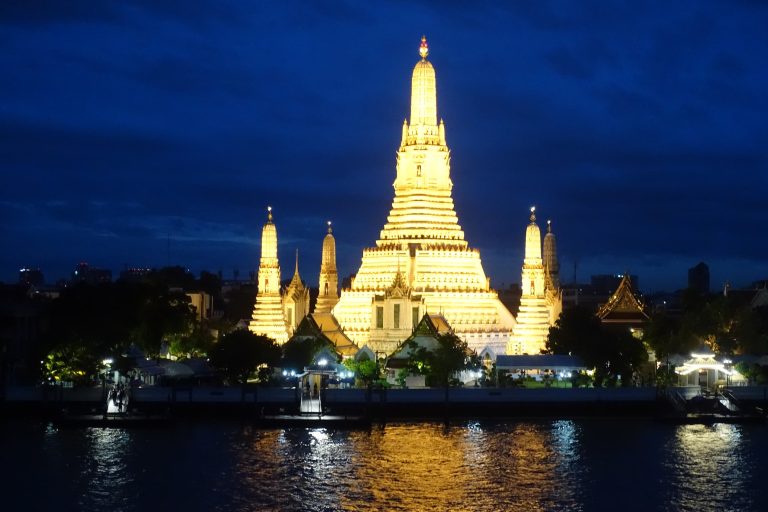
- Wat Arun temple Bangkok: The complete 2024 guide
- Bangkok Canal Tour: All you need to know 2024
- The best Bangkok one day itinerary
- Bangkok 4 day itinerary
- 16 facts about Bangkok
And it is not only about Bangkok but Thailand is one of the most beautiful countries in the world that I have travel extensively and I know quiet well. Check here some of the guides: