Koh Lanta Diving: Thailand’s Most Underrated Underwater Paradise
Koh Lanta diving offers some of the most beautiful and underrated underwater experiences in Thailand. With easy access to top world dive sites like Hin Daeng, Hin Muang, and Koh Haa, the island is ideal for divers who want healthy reefs, dramatic pinnacles, and a peaceful, laid-back atmosphere far from Thailand’s busier islands.
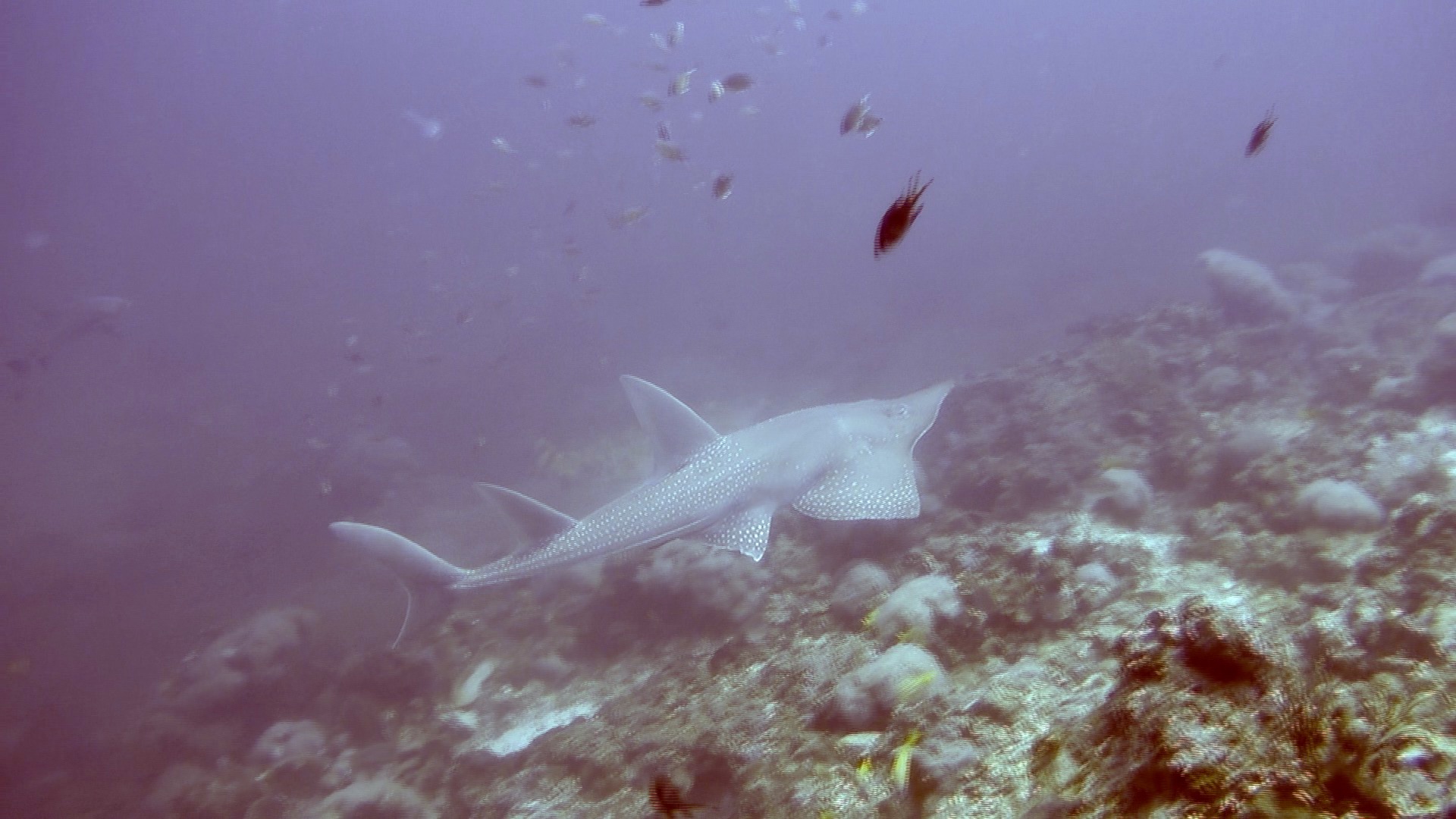
I came to Koh Lanta just for the diving—and ended up doing 16 dives, including my first-ever encounter with a guitar shark. Here’s everything you need to know to plan the perfect Koh Lanta diving trip.
Scuba diving in Koh Lanta video
This is some underwater footage I took during my scuba diving experience in Koh Lanta. Yes, I manage to catch the guitar shark on video, enjoy it!
What Makes Diving in Koh Lanta So Unique?
Diving in Koh Lanta feels quite different than other places in Thailand. Part of it is the island itself — quiet roads, long empty beaches, and a slower pace that sets the stage before you even hit the water. But the real magic begins once you jump into the sea.
Because of its location in the Andaman Sea, Koh Lanta has access to an unusual number of dive sites. One day you’re floating above soft coral gardens, and the next you’re swimming through Koh Haa’s lagoons with visibility so clear it feels unreal. And if you want something more thrilling, Hin Daeng and Hin Muang are waiting out in the open sea — two deep, dramatic pinnacles that seem to rise straight from the abyss. These sites have earned their reputation: they’re magnets for big pelagics, and divers travel from all over hoping for a manta ray encounter or a lucky whale shark sighting when the season is right.
What I love most is the variety. Koh Lanta diving ranges from calm, shallow sites perfect for beginners to deeper, more challenging spots with currents and the chance to see pelagics. Everything is close together, so you can explore completely different environments in a single trip
While on the surface, the diving experience is enriched by a genuine Thai experience, a relaxed atmosphere, and a welcoming local community.

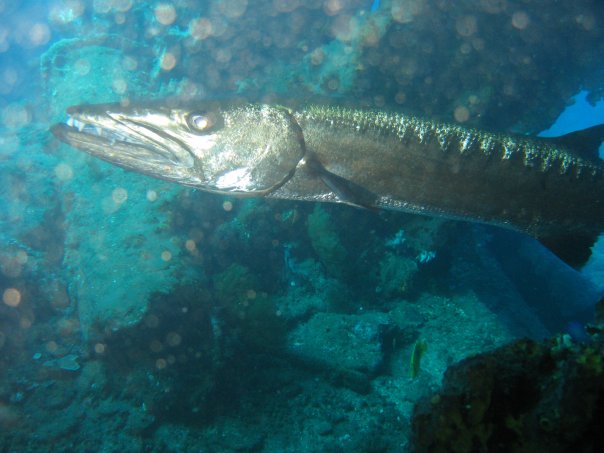
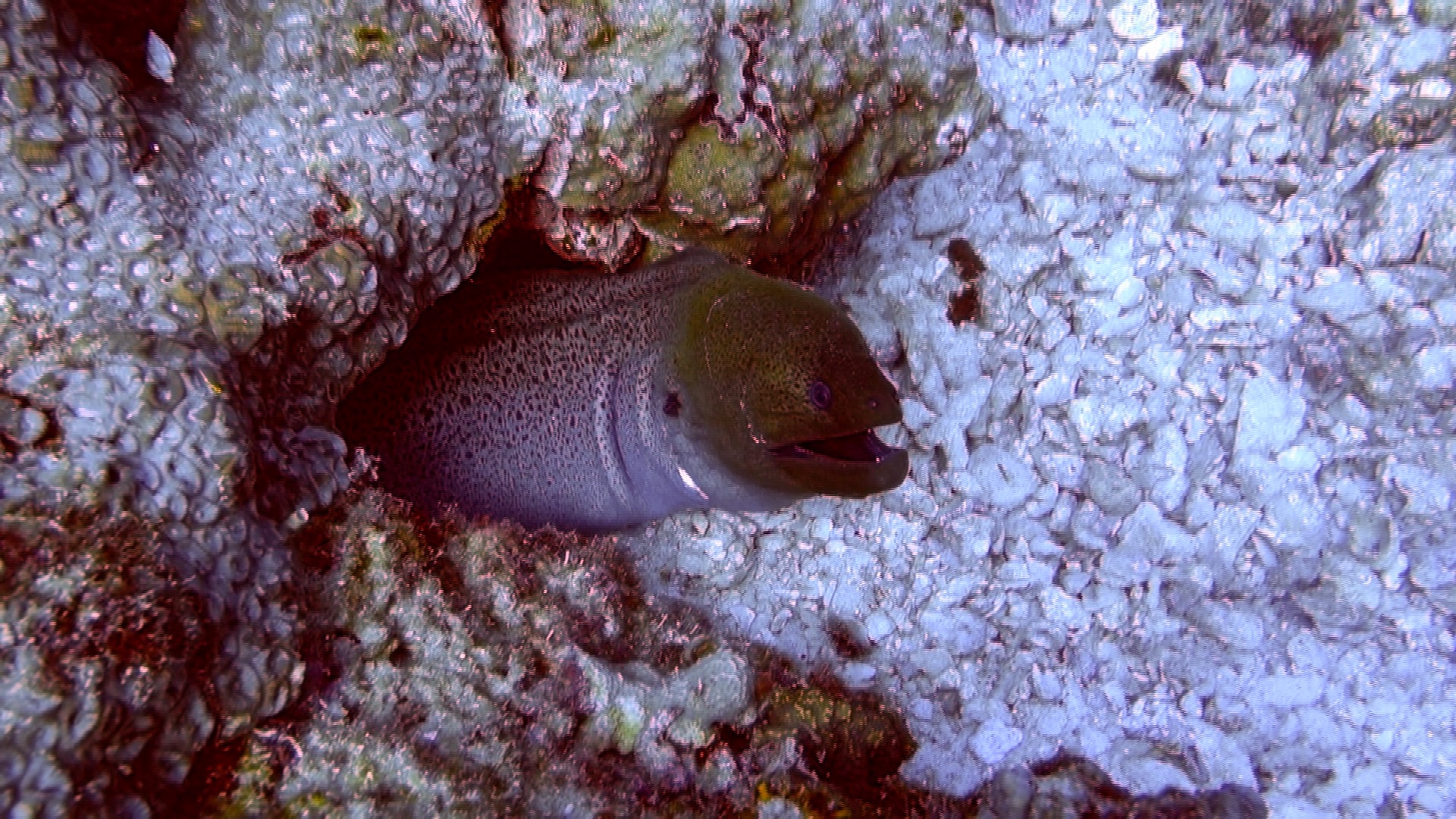
And then there’s the marine life itself: everything from tiny nudibranchs and seahorses to schools of barracuda, reef sharks, and the occasional surprise (I saw my first guitar shark here!). It’s the sort of place where every dive feels unpredictable in the best possible way.
On the surface, the experience stays just as memorable. Koh Lanta still feels genuinely Thai — relaxed, friendly, unhurried — and that energy carries over into the dive boats, the dive shops, and the people you meet. It’s easygoing diving with serious rewards, which is exactly what makes Koh Lanta so special.
Koh Lanta Dive Sites You Should Not Miss
Hin Daeng
I still remember my first dive at Hin Daeng — “Red Rock” — like it was yesterday. Even before getting in the water, those three little pinnacles sticking out of the ocean felt like a quiet invitation, as if they were saying, “There’s something special waiting down here.”
The moment I started descending the water got bluer, and suddenly the reef was glowing with these beautiful red soft corals. It didn’t feel dramatic — just peaceful, like the ocean was slowly revealing itself.
I followed the slope down to around 25 meters, watching the reef get busier with every meter I dropped.
The marine life showed up all at once. A school of silver jacks shimmered past me, and a little later I found myself right in the middle of a slow, circling group of barracudas. They moved with this calm confidence, like they had all the time in the world. I just floated there, letting the moment sink in.
When I surfaced, I had that feeling you get only after certain dives — the quiet kind of happiness where you just think, “Wow… I was really lucky to see that.”

Dive specifications:
Depth: 45 meters
Experience level: Advanced Open Water divers
Visibility: 10 – 30 meters
Current: Medium to strong
Hin Muang
Hin Muang — often called “Purple Rock” — is an impressive, elongated pinnacle that stretches beneath the surface and drops into the deepest vertical wall in Thailand, reaching down around 70 meters. Hovering above that sheer drop gives the site a dramatic, almost mysterious feeling, like you’re hanging over the edge of an underwater canyon.
What struck me first was the color. The entire rock is wrapped in layers of vibrant purple soft corals, glowing beautifully even on a cloudy day. As I drifted along the wall, with the current gently carrying me, clouds of orange anthias burst out from the reef, and I kept slowing down to admire the tiny details—nudibranchs, shrimp, and all the delicate macro life that makes you look closer.
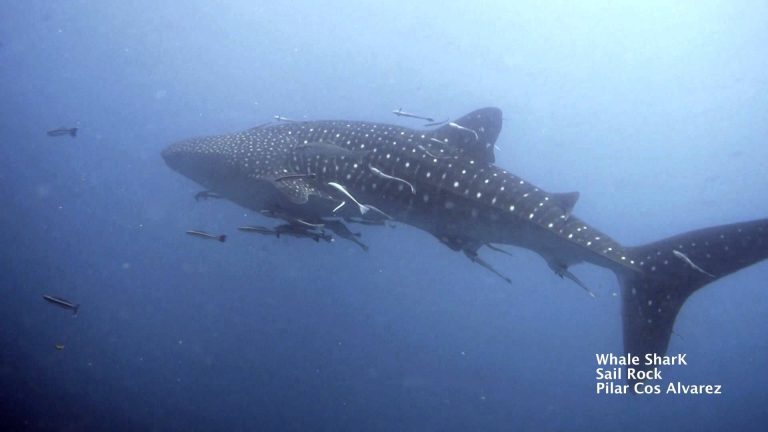
And even though pelagics are never guaranteed, Hin Muang is one of the places in Thailand where you can be lucky. During the right season, manta rays and whale sharks sometimes cruise past the wall, appearing out of the blue like something out of a dream. I didn’t spot one on my dive here, even if it is one of the best places to scuba dive with whale sharks in Thailand, but honestly, the site still felt magical on its own. The place where I was able to encounter them several times was in Sail Rock.
Hin Muang is the kind of place where the scale, color, and depth stay with you long after you’re back on the boat.

Dive specifications:
Depth: 8- 70 meters
Experience level: Advanced Open Water divers
Visibility: 10 – 20 meters
Current: Medium to strong
Koh Haa – The Five Islands
Koh Haa — the Five Islands — quickly became one of my favorite dive spots. The water is so clear that you can see the reef from the surface, and the whole area feels peaceful and protected, with five small islands creating a kind of natural shelter. It’s the kind of place where both new and experienced divers instantly relax the moment they drop in.
The first time I dived in Koh Haa, something unforgettable happened. Only about ten minutes in, I noticed a distinct shape moving slowly over the sandy bottom — a guitar shark. I had never seen one in my life, and they’re incredibly rare. I managed to film it, and even now, watching that clip gives me the same feeling of pure disbelief and excitement. Check the video at the beginning and you will be able to see oit.When we surfaced, our dive master told me it was the first guitar shark he had ever seen in all his years of diving. That alone turned the dive into a once-in-a-lifetime moment.
And that’s what makes Koh Haa so special — you never know what the ocean will give you. On different days, you might spot sea turtles cruising past, colorful clownfish tucked safely in their anemones, playful squads of juvenile sweetlips, or big schools of snappers sweeping across the reef. Sometimes you’ll find tiny creatures hiding in the corals, like nudibranchs or cleaner shrimp, and other times the open blue brings in something bigger passing by in the distance.
Every dive at Koh Haa feels different — but the guitar shark made mine unforgettable.

The Bida Islands and Kled Keaw wreck
The Bida Islands are considered dive sites for both Koh Lanta and Koh Phi Phi. If you’d like to learn more about them, you can find additional details in the Koh Phi Phi diving guide.
When Is the Best Time to Scuba Dive in Koh Lanta?
The best time to dive in Koh Lanta is from November to April, when the weather is dry, the sea is calm, and visibility is at its best across both of the region’s marine parks.
November–February (Peak Season)
- Calm seas and excellent visibility
- Ideal for beginners and relaxed fun-dive conditions
- Cooler water and comfortable surface weather
March–April (Prime for Big Marine Life)
- Warmest water of the year
- Highest chances of spotting whale sharks and manta rays
- Still stable conditions before the monsoon arrives
Diving is possible year-round, but from May–October the sea becomes rougher and visibility less predictable due to the southwest monsoon.
Seasonal & Bleaching-Related Closures

Responsible Diving: Quick Guidelines
Protecting the ocean starts with every diver:
• Stay neutrally buoyant to avoid touching corals or the seabed.
• Look, don’t touch marine life is fragile.
• Choose responsible dive operators who follow local rules and respect wildlife.
• Use reef-safe sunscreen or wear UV clothing.
• Pick up small debris when safe to help keep the ocean clean.
• Follow local regulations and closures to support reef recovery.
Mu Ko Lanta National Park (including its smaller islands) is typically closed from mid-May to mid-October during the monsoon season. However, individual islands follow slightly different schedules. For example:
- Ko Rok, Ko Ha, and Hin Daeng are closed July 1–September 30
- Other islands may close a bit earlier or later
These closures are in place both for visitor safety and to support marine ecosystem recovery, including the regeneration of coral reefs.
Mu Ko Phi Phi National Park also has annual seasonal closures. Certain areas — most famously Maya Bay — are closed August 1–September 30 due to the monsoon season and conservation efforts. During this period, these bays are off-limits to visitors to ensure safety and protect the recovering ecosystem.
During severe or widespread coral bleaching events, additional sites within the park may be restricted or temporarily closed. These measures vary by year but typically target shallow bays and fringing reefs with high bleaching risk.

Koh Lanta Diving Prices
The good news: prices on Koh Lanta are fairly standardized across most dive shops, with only small variations depending on boat type and the distance to each dive site.
Average price for 2 fun dives:
👉 3,300–3,600 THB
(equipment, tanks, weights, guide & lunch included)
This reflects the common 2024/2025 rates from the major Koh Lanta dive centers.
Extra Fuel Surcharges (Important for Some Dive Sites)
Because many of Koh Lanta’s best dive sites are far offshore, several centers apply a fuel surcharge — especially for the long-distance sites.
Average surcharges:
- Hin Daeng / Hin Muang: + 500–700 THB
- Ko Ha / Ko Rok: + 300–500 THB
- Local sites (Kled Gaeow wreck, Koh Bida, etc.): No surcharge
(Speedboat trips tend to be at the higher end. Big boats often have lower/no surcharges.)
National Marine Park Fees
These fees apply to all divers entering the marine parks around Koh Lanta (Mu Ko Lanta and Mu Ko Phi Phi).
- 600 THB per diver per day (foreign visitors)
- Payable in cash to the dive shop or park staff
- Fees vary slightly per park but 600 THB is the most common
Expected Total for a Typical Day of Diving
For the average 2-dive day from Koh Lanta:
➡ 3,900–4,900 THB total
(dives + possible fuel surcharge + marine park fee)
This depends on which dive sites you visit and whether a long-distance surcharge applies.
My Recommended Dive Center in Koh Lanta
I’ve only dived in Koh Lanta once, but that single experience with Koh Lanta Diver was enough to make them my go-to recommendation — especially because of the boat they use.
What really stood out for me wasn’t just the professionalism of the team (which was excellent), but the overall experience of diving from their boat. It was spacious, clean, and incredibly comfortable — the kind of boat where you actually enjoy the journey out to the dive sites rather than just tolerate it. On longer rides to places like Ko Ha or Ko Rok, that comfort makes a huge difference.
The setup on board was thoughtful and well-organized: plenty of room for gear, smooth entry/exit points, and a relaxed atmosphere that made the diving days feel effortless. The crew kept things calm and friendly, and the dive briefing was clear without feeling rushed — exactly what you want when you’re preparing for deeper or more advanced sites.
Even though it was my first time diving with them, the experience felt easy, safe, and genuinely enjoyable. I left thinking, “Next time I’m back on Koh Lanta, I’m diving from this boat again.”
What else can you do in Koh Lanta?
Koh Lanta offers plenty to enjoy beyond diving. You can relax on quiet beaches, explore Mu Ko Lanta National Park, wander through the charming Old Town, or take island-hopping trips to nearby tropical spots. The island is also great for kayaking through mangroves, taking Thai cooking classes, hiking to small waterfalls, and watching unforgettable sunsets. For a full list of activities, check out our detailed guide on the best things to do in Koh Lanta.
Where is Koh Lanta located?
Koh Lanta is an island district in the Krabi Province of Thailand, situated in the southern region of the country.
Find here a pin with Koh Lanta location.
How to get to Koh Lanta
Traveling from Bangkok to Koh Lanta is straightforward, with several options depending on your budget and travel style. The trip usually involves a combination of flights, ground transport, and a ferry.
1. Fly from Bangkok to Krabi (Fastest Option)
Start by taking a flight from Bangkok to Krabi International Airport, the closest airport to Koh Lanta. Airlines like Thai Airways, AirAsia, and Thai Lion Air offer frequent flights, and the journey takes about 1.5 hours.
After landing, make your way to Klong Jilad Pier (about 15 km from the airport) by taxi or pre-arranged transfer. From there, board a ferry to Koh Lanta, which takes 1–2 hours, depending on sea conditions and ferry type.
2. Bus or Minivan from Bangkok to Krabi (Budget Option)
For a cheaper route, you can take a bus or minivan from Bangkok to Krabi. The trip normally takes 10–12 hours, with both daytime and overnight services available. Once in Krabi, head to Klong Jilad Pier and continue to Koh Lanta by ferry.
3. Combination Tickets (Most Convenient Option)
Many travelers choose combination tickets that bundle everything—flight, airport transfer, ground transportation, and ferry—into one easy package. These can be booked online or through travel agencies and often save time and effort.
No matter which route you choose, the journey to Koh Lanta is smooth, scenic, and well worth it once you arrive on the island.
Where to stay in Koh Lanta
There are plenty of accommodation options where to stay in Koh Lanta. Find here my four top picks. Make sure to book in advance as the island can get pretty busy.
Phusea Lanta Resort: This resort is located in Ban Ru Yai and it offers air-conditioned accommodation with a balcony, terrace, free private parking, and WiFi. The villa boasts 1 bedroom, a flat-screen TV, an equipped kitchen, and a bathroom with a shower, all allergy-free. Additionally, guests can enjoy the convenience of airport transfers and a bicycle rental service. For those craving caffeine, there’s an on-site coffee shop. Should you wish to explore further, a car rental service is also available at the villa. Whether you seek relaxation or adventure, Phusea Lanta Resort provides the perfect retreat for your stay.
Sea Sand Sun Resort: This resort on the shores of Klong Khong beach is a tranquil scape a 10 minutes drive from the Saladan pier. The resort features a lovely outdoor swimming pool with comfort and air conditioned villas with private balconies.
There is a spa in the resort where guests can enjoy some quality traditional Thai massage on a relaxed setting. There is also a 24 hour front desk available for the guests needs.
Coco Lanta Resort: This resort presents some modern air conditioned rooms locted 9 Km rom the Saladan Centre. The resort features an outfoor pool and good wifi connection.
You can get good quality Thai massage on the resort.
Koh Lanta diving FAQs
Is Koh Lanta good for diving?
Yes, Koh Lanta is known for its excellent diving opportunities and is considered one of the top diving destinations in Thailand. The island offers a variety of dive sites suitable for divers of all levels, from beginners to experienced enthusiasts.
Where should I dive in Koh Lanta?
The most famous five sites and the reason why many people come here are Hin Daeng and Hin Muang. They are famous dives sites as you can have whale shark and manta ray encounters.
Koh Lanta diving conditions
Koh Lanta, Thailand, offers excellent diving conditions with clear waters and vibrant marine life. Visibility ranges from 15 to 30 meters, ideal for exploring coral reefs teeming with diverse species including reef sharks, turtles, and colorful fish. The island boasts various dive sites suitable for all skill levels, making it a popular destination for diving enthusiasts.
More Bangkok and Thailand diving guides
I have been several in Bangkok and have spent in total months there during several stays in the city arriving from Europe or just on the way to other several destination in Thailand. Check here some more Bangkok guides;
- Amulet market Bangkok, Thailand
- Wat Arun temple Bangkok: The complete 2024 guide
- Bangkok Canal Tour: All you need to know 2024
- The best Bangkok one day itinerary
- Bangkok 4 day itinerary
- 16 facts about Bangkok
And it is not only about Bangkok but Thailand is one of the most beautiful countries in the world that I have travel extensively and I know quiet well. Check here some of the guides:
- Scuba diving with whale sharks in Thailand
- Koh Phayam, one of Thailand’s hidden gems
- Koh Kood: An idyllic pirates island in Thailand
- A guide to Koh Phi Phi diving
- Yoga in Koh Phangan
- Sail Rock Diving Guide: Best Dive Site in the Gulf of Thailand